
Multilingual voice agents over SIP
Voice is where most enterprise AI projects either work or quietly die. The environment is uniquely hostile: aging PBX infrastructure, multilingual callers, regulated content, and a contact-center team that has watched a decade of failed automation pitches. Building a working demo is easy. Surviving real call volume, in real languages, on real telephony, is not.
The business case, when it works, is straightforward. Inbound triage, scheduling, status updates, dispatch, and intake - handled in the caller's language, around the clock, at unit economics that change what your operations team can afford to offer. The right voice agent doesn't replace the human; it absorbs the call types your best agents resent, and frees them for the conversations that need judgment, empathy, or escalation.
The technical and cultural challenges arrive together. SIP-native deployment so you don't lock yourself into a new vendor. PII redacted before tokens leave your VPC, because in healthcare, finance, and government, the alternative is a non-starter. And a deployment plan built with the contact-center leadership - because no AI program survives long if the floor sees it as a layoff vector. We've shipped HIPAA-grade voice into hospital intake lines and SIP-native dispatch into US logistics. The pattern that works is the same: deliver tools that augment the team, with governance the auditors trust.
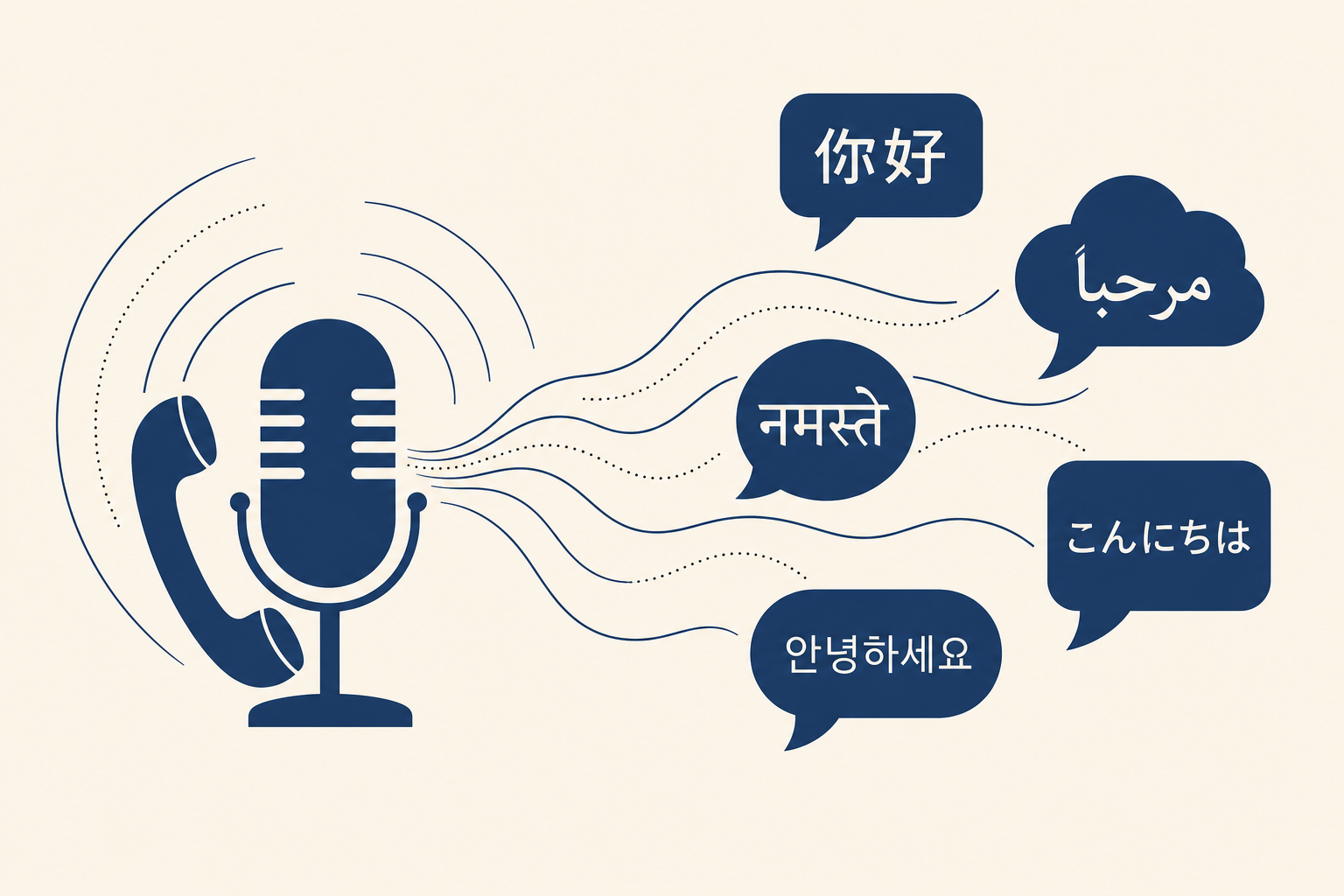
Three ways this shows up in production.
SIP-native
Plugs into your existing PBX. No new vendor lock-in.
Multilingual by default
HE / EN / AR / RU / ES - recognized and answered, not translated to English.
PII redacted before tokens leave
Sensitive content removed before it ever reaches a model provider.